Adjusting the secondary air velocity can optimize the residence time of flue gas in the combustion chamber, ensuring complete combustion of unburned products and reducing the generation of fuel-type nitrogen oxide precursors.
To reduce high-frequency jet noise, a deflector or rectifier can be installed at the burner outlet to make the gas and air mix more evenly and reduce turbulence.
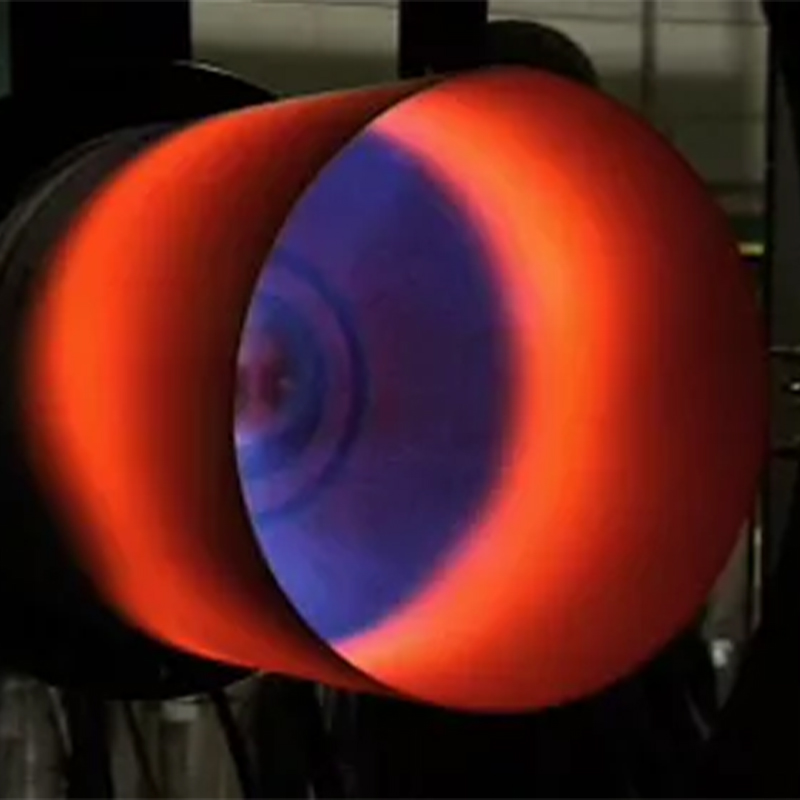
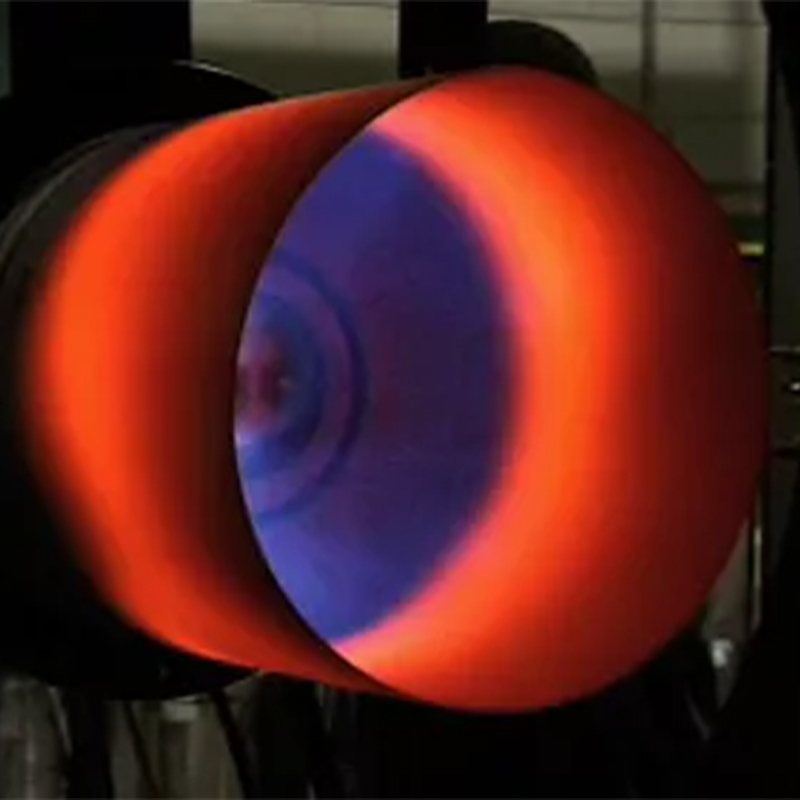
In industrial heating processes, the flame is not only a heat source but also a "brush" for energy transfer—its shape, length, rigidity, and diffusion angle directly determine how heat is distributed in the workpiece or furnace.
In many core stages of industrial manufacturing—whether it's metal heat treatment, glass melting, ceramic sintering, or large-scale drying and chemical reactions—temperature is not only a process parameter but also a lifeline determining product quality,
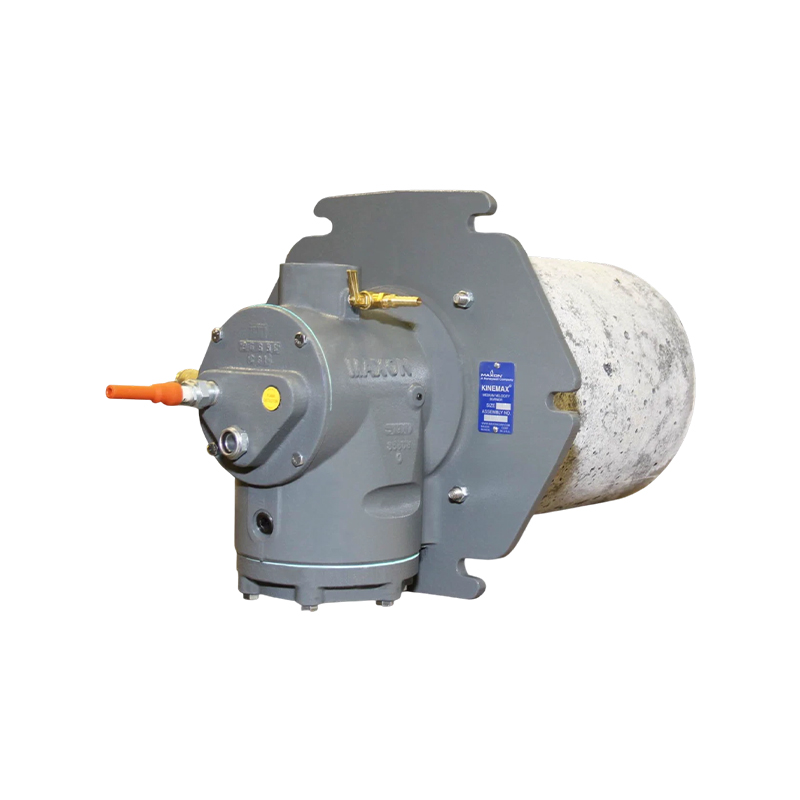
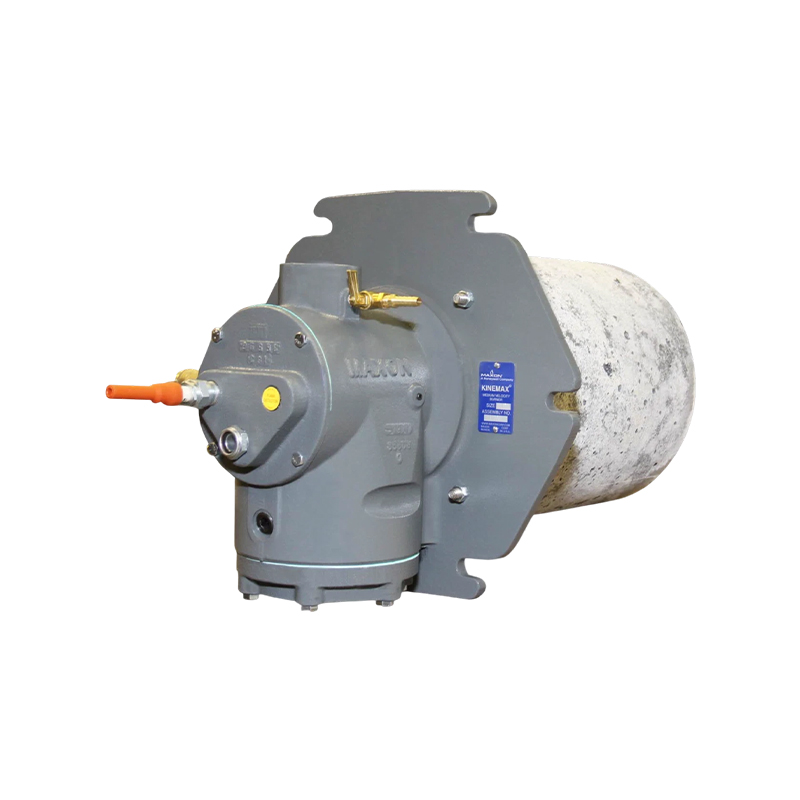
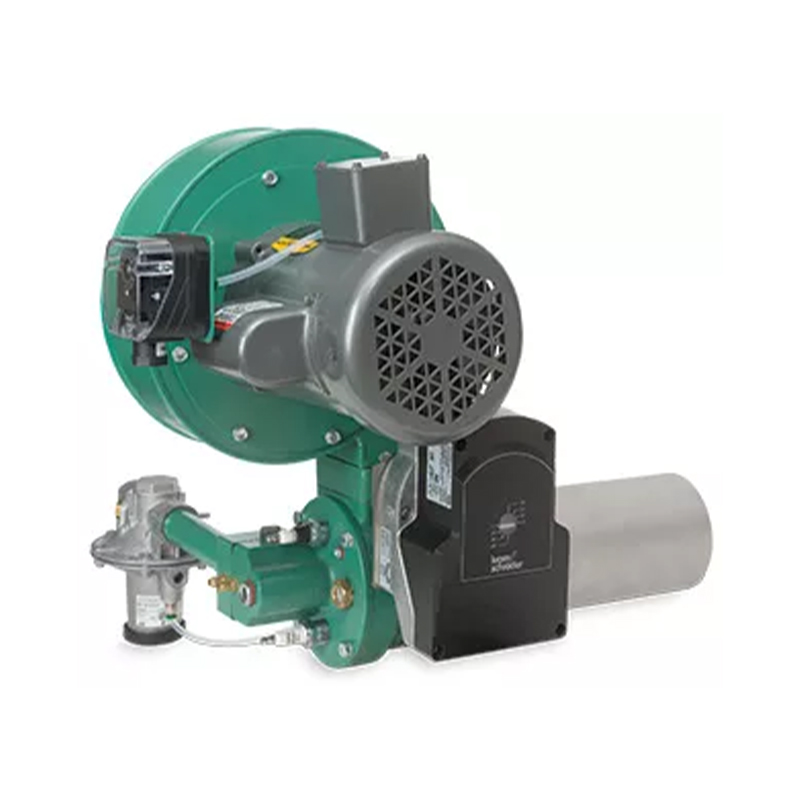
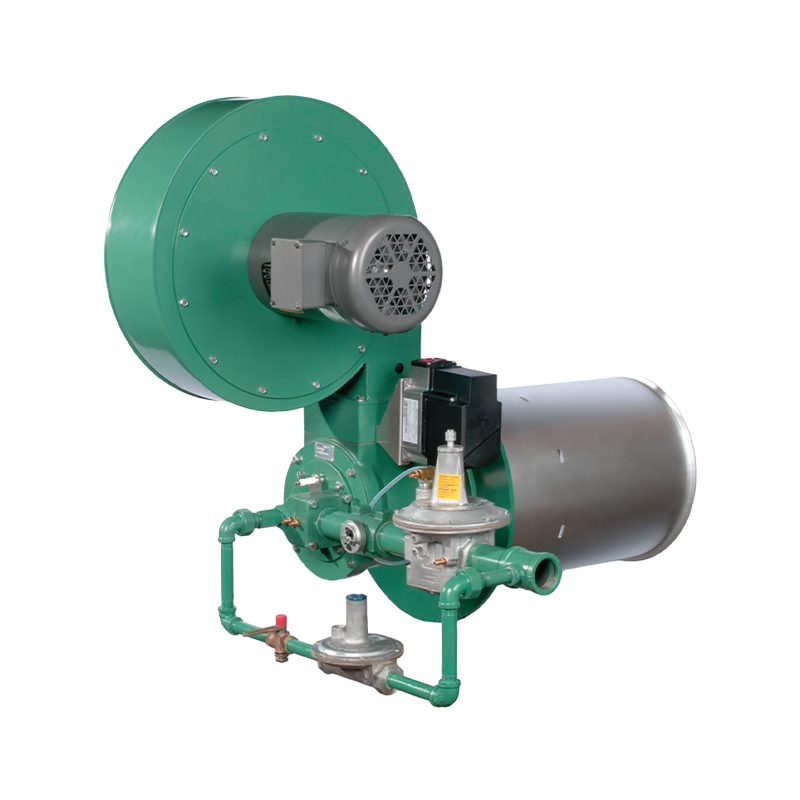
In modern industrial processes such as heating, heat treatment, smelting, and drying, the burner, as the core equipment for heat energy conversion, directly determines production costs and emission levels through its efficiency, stability, and environment
Some high-end burners also incorporate oxygen sensors, directly using the excess air coefficient in the flue gas as the control target, further improving adjustment accuracy.